
Asbestos cement is primarily a cement-based product with chrysotile (white asbestos) fibres compressed into it for reinforcement. Due to the imitation of the more expensive products, such as shingles, brick, or slate. The product was widely used and marketed as an affordable alternative.
Asbestos is a highly dangerous material that poses significant health risks when disturbed. While working with asbestos-containing materials may seem manageable in some situations, any disruption—such as breaking, crushing, or dropping cement—can release harmful asbestos fibres into the air, putting you at serious risk of life-threatening diseases. At Harts Waste & Asbestos Removal LTD, we strongly recommend seeking professional advice and assistance when dealing with any asbestos-containing products. Our expert team is trained to safely handle, remove, and dispose of asbestos, ensuring your safety and peace of mind. Below, you will find a list of common products that may contain asbestos.
Asbestos cement flues pose little risk like other cement products if they are in good condition. Encapsulating or flue removal may be necessary depending on the condition of it. On the other hand, should you have a flue that has taken significant damage, it may be worth testing for asbestos and having it removed.
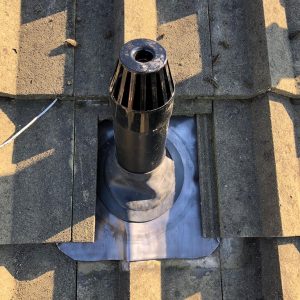
Asbestos cement roofs are another common type of cement-based product that was widely used across the UK, often found on garage or shed roofs in the form of cement sheets. When these roofs are in good condition and undamaged, they pose little risk and can generally be left undisturbed. However, the situation changes dramatically if the roofs are cleaned, renovated, or subjected to any abrasive work. In these cases, the asbestos fibres can become airborne, significantly increasing the risk of exposure. Breathing in these airborne fibres can lead to serious, long-term health issues. For this reason, it’s crucial to have asbestos cement roofs assessed and managed by professionals to ensure safety and prevent any potential exposure.